





Description
David Pace and Stephen Wirtz
Images in Transition – Wirephotos 1938-1945
Publisher: Schilt Publising, 2019
Hardcover, 144 pages, English
Size: 30x24cm
New in seal
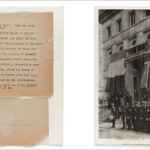
Sending a photographic image quickly from one location to another was first accomplished early in the 20th century using the “Belinograph,” an apparatus developed by French photographer and inventor Edouard Belin to send photographic images over telephone and telegraph wires. These “Belinograms” were soon referred to as “wirephotos”. Wirephoto technology flourished in the 1930s and 1940s, especially during World War II when newspaper readers were eager for images from the front.
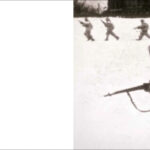
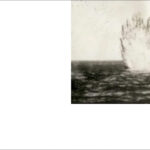
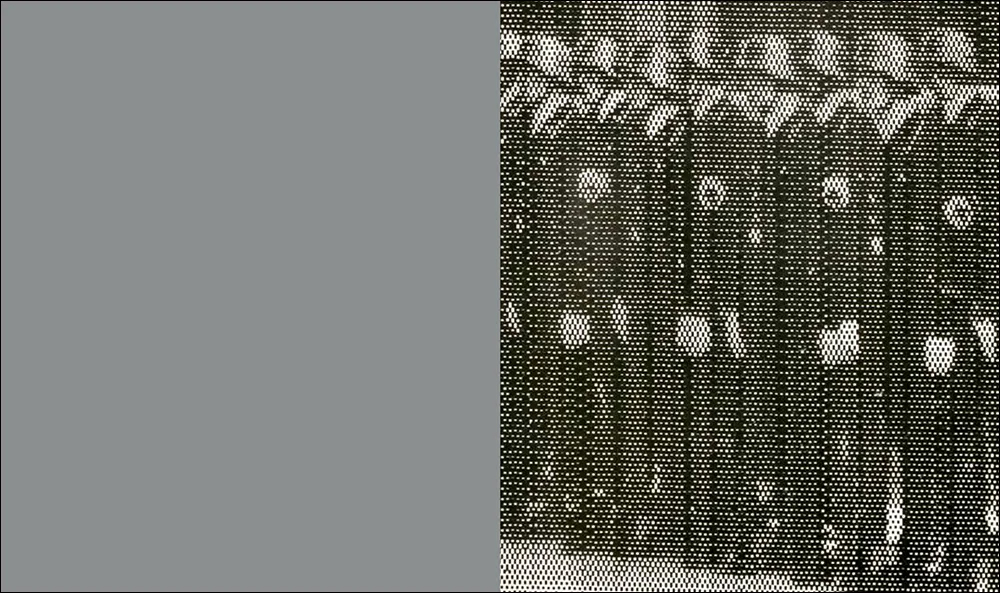
David Pace and Stephen Wirtz manipulate and transform wirephotos transmitted during World War II. Beginning with an extensive collection of originals assembled by Wirtz over a period of many years, they scan the images, radically re-cropping and dramatically enlarging portions of the archival wirephotos. Their croppings and enlargements expose the artifacts of the wirephoto technology – the dots, lines, irregularities and retouchings from the war years. But the transformations introduced by Pace and Wirtz not only extend, but also reverse, the intentions of the wartime retouchers: Instead of obscuring the dots and lines to create a clearer image, Pace and Wirtz reveal and enhance the dots and lines, exposing the technological processes that produced the images.
Instead of retouching the images to create an illusion of reality, they make visible the manipulation of the images that were published as news. Instead of enhancing the content to support a narrative of just war and ethical victory, their dramatic enlargements transform wartime content into near-abstraction, creating a subtle counter narrative.
By exposing the artifacts of wirephoto technology and the actions of the human hands that retouched the images, their work highlights, transforms, and subverts the intention, the content, and the process of these wartime photographs. They raise questions about the technologies of image making and image transmission, the notion of truth in journalism, and the role of propaganda in news photography.
In this new book from Schilt Publishing, Images in Transition, David Pace and Stephen Wirtz manipulate and transform these wirephotos to incredible effect, raising questions about the technologies of image making and image transmission, the notion of truth in journalism, and the role of propaganda in news photography.
Pace and Wirtz’ process begins with an extensive collection of originals, [assembled by Wirtz over a period of many years]. They scan the images, radically re-cropping and dramatically enlarging portions of the archival wirephotos. Their croppings and enlargements expose the artefacts of the wirephoto technology; the dots, lines, irregularities and retouchings from the war years. But the transformations introduced by Pace and Wirtz not only extend, but also reverse, the intentions of the wartime retouchers. Instead of obscuring the dots and lines to create a clearer image, Pace and Wirtz reveal and enhance the dots and lines, exposing the technological processes that produced the images.